

Collection: Arita Ware
Born in the 17th century when porcelain clay was first discovered in Arita, Saga Prefecture, Arita ware (有田焼, Arita-yaki)holds a singular place in Japanese ceramic history — it was the first fine porcelain ever produced in Japan, and later became the first to be exported to Europe. Prized for its glass-like translucency, exceptional durability, and non-porous surface, Arita ware is as practical as it is beautiful.
Each piece of handmade Arita porcelain in our collection carries four centuries of craftsmanship into your everyday table setting.

Arita ware is renowned for its refined porcelain body, which is both lightweight and exceptionally durable due to high-temperature firing techniques. The surface is typically smooth and milky-white, providing a clean canvas that enhances the clarity and precision of its decoration. This porcelain quality not only gives Arita ware its elegant, delicate appearance but also ensures long-lasting strength suitable for everyday use.
Its decoration is a defining feature, often featuring intricate hand-painted designs in cobalt blue (sometsuke) or enriched with vibrant overglaze enamels such as red, green, and gold (aka-e). Motifs are frequently inspired by nature—flowers, birds, and scenic landscapes—alongside geometric patterns that emphasize balance and refinement. The result is a harmonious blend of traditional craftsmanship and understated modern aesthetics, making Arita ware equally valued as functional tableware and collectible art pieces.

Arita ware originated in the early 17th century in Arita, following the discovery of kaolin clay by the Korean potter Yi Sam-pyeong. His work marked the beginning of porcelain production in Japan, influenced by the cultural exchanges that occurred during the Japanese invasions of Korea (1592–1598). This innovation transformed Japanese ceramics, introducing refined porcelain techniques that would define Arita ware for centuries.
By the mid-1600s, Arita ware gained international recognition through exports managed by the Dutch East India Company. Porcelain styles such as Kakiemon and Imari, named after the nearby port of Imari, became highly sought after in Europe for their vibrant colors and intricate designs, influencing Western decorative arts and becoming prized possessions among European elites.
Although exports declined in the 18th century with the rise of European porcelain centers like Meissen, Arita ware continued to thrive domestically. Today, it remains a symbol of Japan’s rich ceramic heritage, blending traditional craftsmanship with modern aesthetics, and is celebrated annually at events like the Arita Ceramic Fair.

1. Clay Preparation
The process begins with refining high-quality porcelain stone (kaolin), which is crushed, washed, and filtered to remove impurities. The purified clay is then aged to achieve the ideal consistency for shaping.
2. Forming the Shape
Artisans shape the clay using techniques such as wheel throwing, slip casting, or mold forming. Each method allows for different forms, from delicate bowls to intricately shaped vessels.
3. Drying and Trimming
The formed pieces are left to dry until they reach a leather-hard state. At this stage, excess clay is trimmed, and fine details are refined to ensure balance and precision.
4. Bisque Firing
The dried pieces are fired at a lower temperature to harden them into “bisque.” This step removes remaining moisture and prepares the surface for glazing and decoration.
5. Underglaze Decoration (Sometsuke)
Designs are often hand-painted using cobalt blue pigment directly onto the bisque surface. This underglaze technique is a defining feature of many Arita ware pieces.
6. Glazing
A transparent glaze is applied over the entire piece, sealing the decoration and giving the porcelain its smooth, glass-like finish.
7. High-Temperature Firing
The glazed pieces are fired at very high temperatures (around 1,300°C / 2,372°F). This crucial step vitrifies the clay, creating Arita ware’s signature strength and translucency.
8. Overglaze Decoration (Optional)
For more elaborate designs, additional colors such as red, green, and gold are painted on top of the glaze after the initial firing.
9. Final Firing
If overglaze decoration is applied, the piece undergoes a second, lower-temperature firing to fix the colors and details permanently.
10. Inspection and Finishing
Each piece is carefully inspected for quality. Final touches, such as polishing or minor corrections, are made before the ware is ready for use or display.

1. Gentle Cleaning
Wash with warm water and mild dish soap using a soft sponge. Avoid abrasive scrubbers that may scratch the glaze or decoration.
2. Dishwasher Use
While many pieces are dishwasher-safe, hand washing is recommended to protect delicate hand-painted designs and extend their lifespan.
3. Microwave Use
Most Arita ware without metallic decoration is microwave-safe. Avoid microwaving pieces with gold or silver accents.
4. Avoid Sudden Temperature Changes
Do not expose the ware to rapid temperature shifts (e.g., from fridge to hot oven), as this may cause cracking.
5. Stain Prevention
Rinse promptly after use, especially with strongly colored foods or liquids like tea or soy sauce, to prevent staining.
6. Proper Storage
Stack carefully with soft cloth or paper between pieces to prevent scratches or chipping.
7. Handling with Care
Although durable, porcelain can chip or crack if dropped or knocked—handle gently during use and storage.
8. Long-Term Maintenance
For tea stains or marks, use a mild baking soda paste to gently clean without damaging the surface.
Featured Collections
-

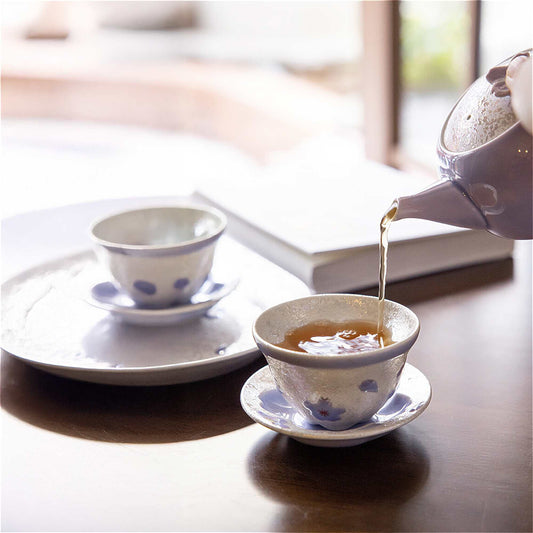
Cherry Blossom Arita Ware Tea Set
The Cherry Blossom Arita Ware tea set series embodies the beauty and...
-

Ocean Bubble Arita Ware
Ocean bubble Arita Ware series is inspired by the shimmering sea, with...


-
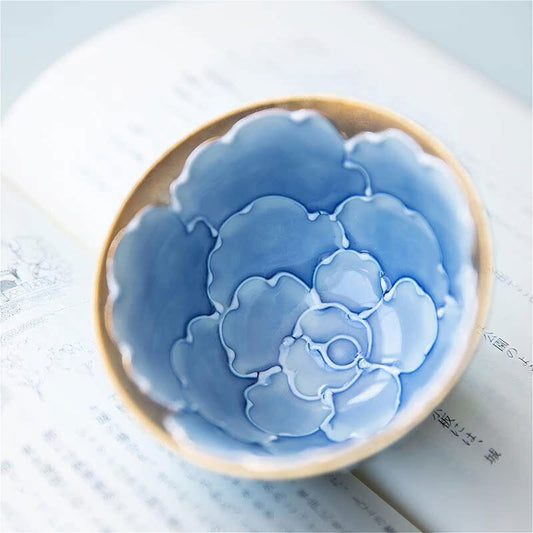
Peony Arita Ware Handmade Tea Cup
Vendor:Arita WareRegular price From $40.00Regular price -
B&W Sabi Handmade Small Plate 6.7 in - Black/White
Vendor:B&WRegular price $55.00Regular price -
B&W Sabi Handmade Large Plate 10.2 in - Black/White
Vendor:B&WRegular price $92.00Regular price -
B&W Sabi Handmade Mug with Saucer - Black/White
Vendor:B&WRegular price From $55.00Regular price -

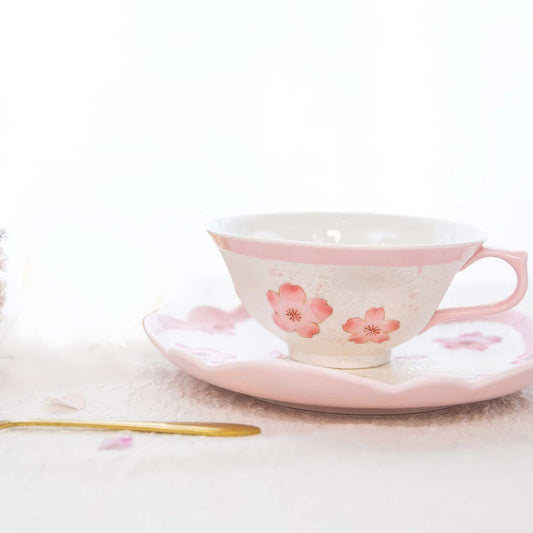 Bundle & Save up to 15%
Cherry Blossom Handmade Western Tea Cup with Saucer - Pink
Vendor:Arita WareRegular price $120.00Regular price -

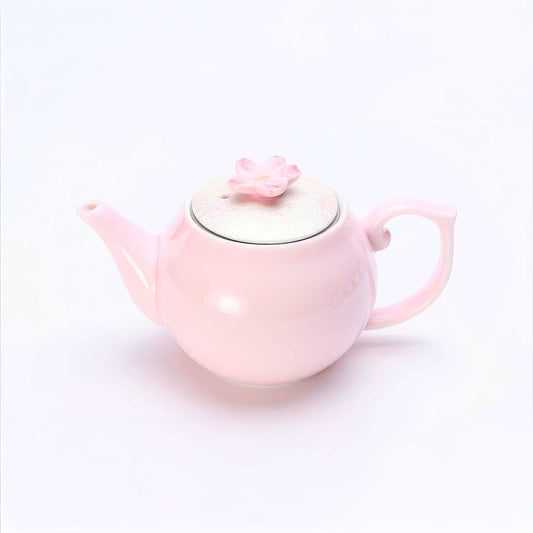
Cherry Blossom Handmade Western Teapot - Pink
Customer FavoriteBundle & Save up to 15%Cherry Blossom Handmade Western Teapot - Pink
Vendor:Arita WareRegular price $95.00Regular price -
Cherry Blossom Handmade Tea Cup
Vendor:Arita WareRegular price $68.00Regular price -
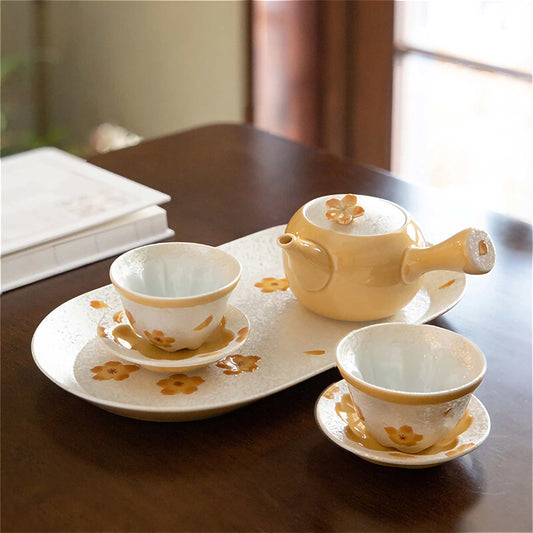
Cherry Blossom Handmade Teapot and Cup Set - Orange
Vendor:Arita WareRegular price From $110.00Regular price -
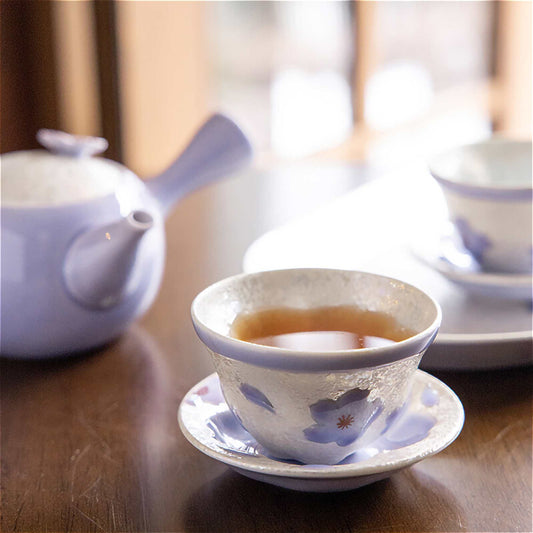
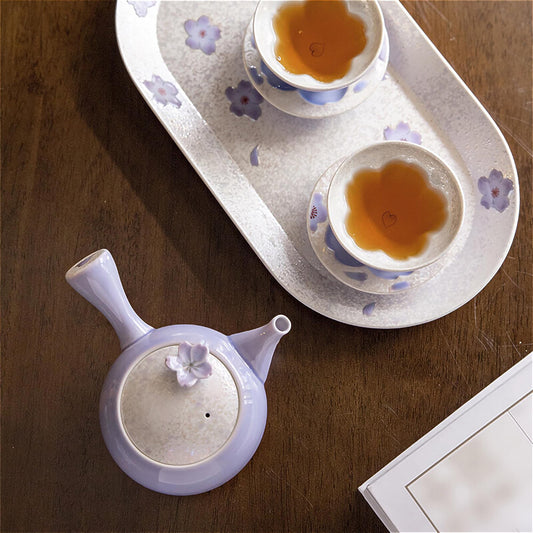
Cherry Blossom Handmade Teapot and Cup Set - Purple
Vendor:Arita WareRegular price From $110.00Regular price -
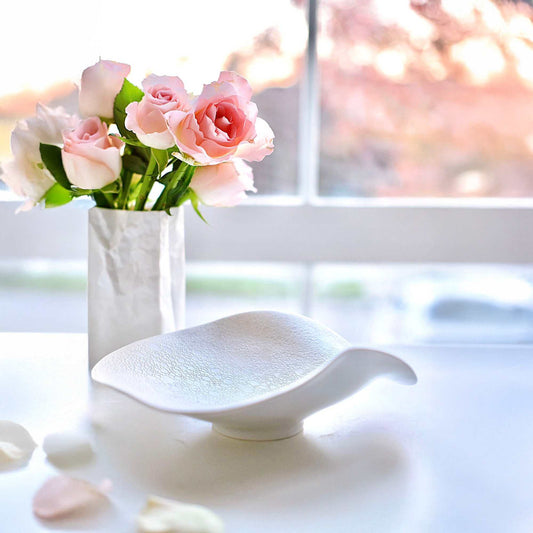
Ocean Bubble Handmade Curvy Bowl - White
Vendor:Arita WareRegular price $69.00Regular price -

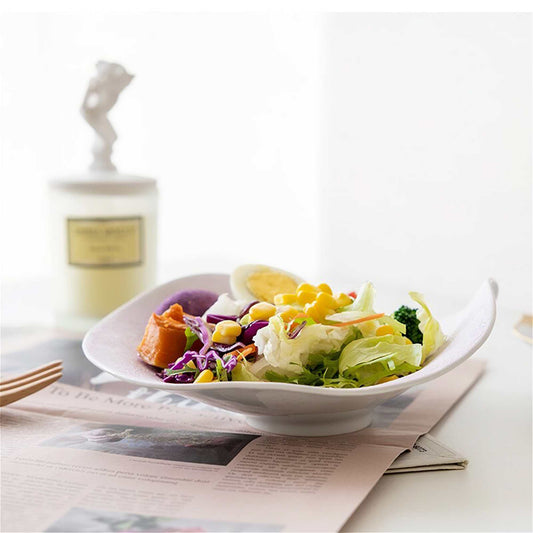
Ocean Bubble Handmade Curvy Bowl - Purple
Customer FavoriteSold outOcean Bubble Handmade Curvy Bowl - Purple
Vendor:Arita WareRegular price $75.00Regular price -

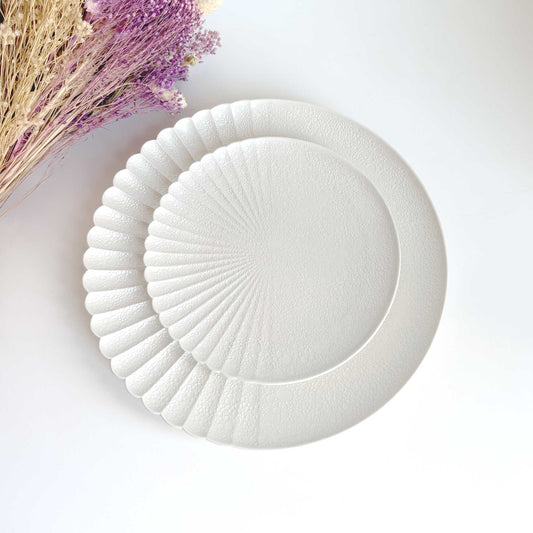 15% off
$193.00 valueOcean Bubble Handmade Dinnerware Set - White
Vendor:Arita WareRegular price $164.00Regular price -

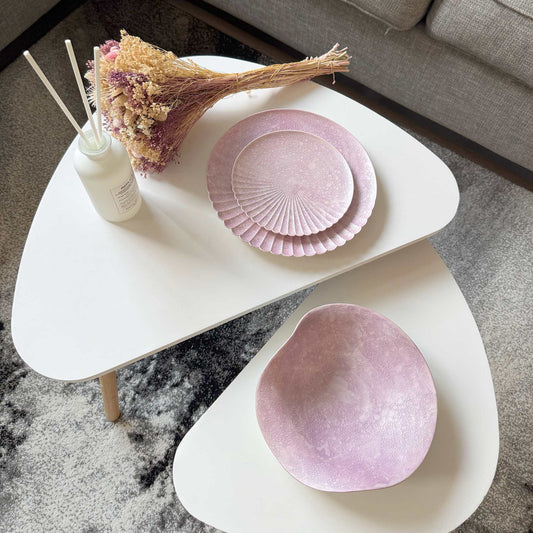
Ocean Bubble Handmade Dinnerware Set - Purple
Vendor:Arita WareRegular price $180.00Regular price -

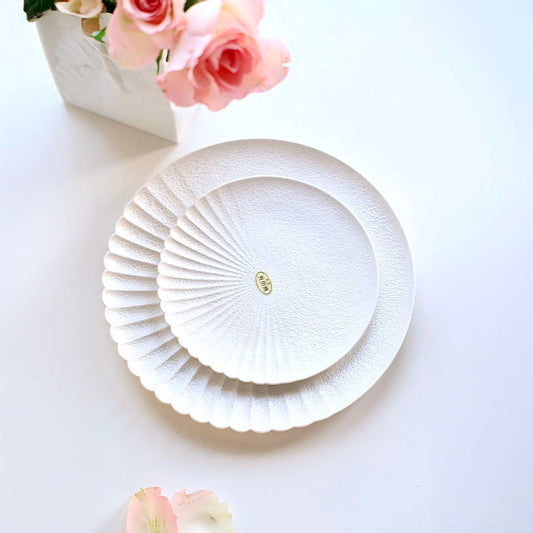 10% off
$124.00 valueOcean Bubble Handmade Plate Set - White
Vendor:Arita WareRegular price $112.00Regular price -

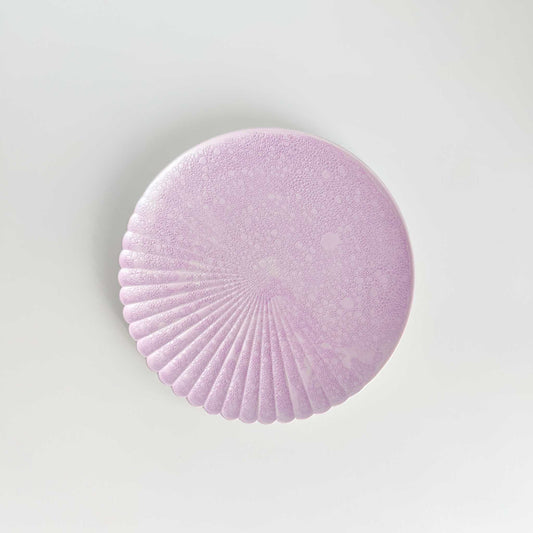
Ocean Bubble Handmade Plate Set - Purple
Customer Favorite10% off
$136.00 valueOcean Bubble Handmade Plate Set - Purple
Vendor:Arita WareRegular price $122.00Regular price -
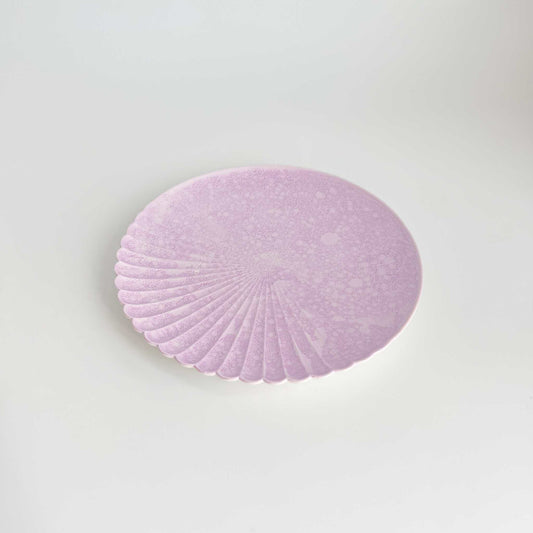
Ocean Bubble Handmade Plate - Small 6.3 in Purple
Vendor:Arita WareRegular price $55.00Regular price -
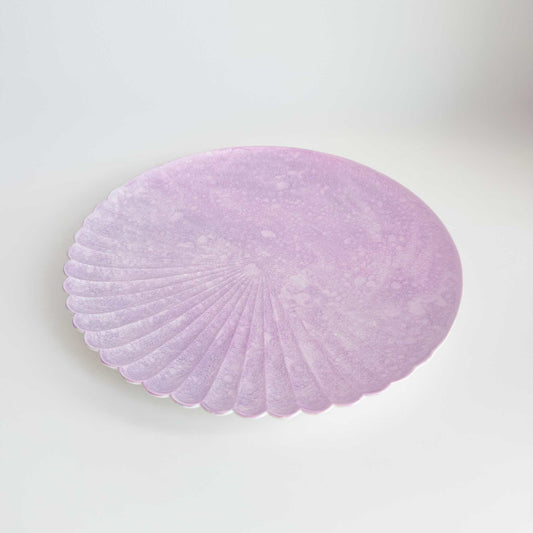
Ocean Bubble Handmade Plate - Large 9.0 in Purple
Vendor:Arita WareRegular price $81.00Regular price -
Ocean Bubble Handmade Plate - Large 9.0 in White
Vendor:Arita WareRegular price $75.00Regular price -
Ocean Bubble Handmade Plate - Small 6.3 in White
Vendor:Arita WareRegular price $49.00Regular price -

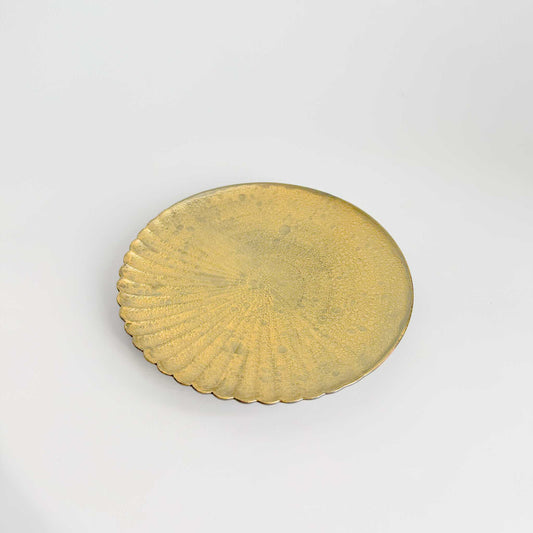
Ocean Bubble Handmade Plate - Small 6.3 in Gold
Customer FavoriteOcean Bubble Handmade Plate - Small 6.3 in Gold
Vendor:Arita WareRegular price $49.00Regular price -

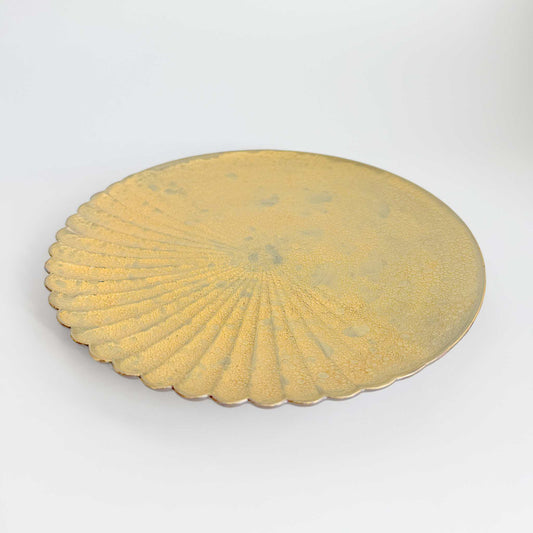
Ocean Bubble Handmade Plate - Large 9.0 in Gold
Customer FavoriteOcean Bubble Handmade Plate - Large 9.0 in Gold
Vendor:Arita WareRegular price $75.00Regular price -

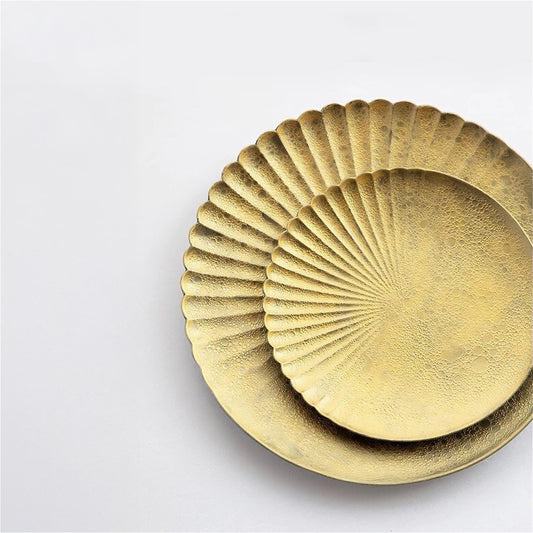
Ocean Bubble Handmade Plate Set - Gold
Customer Favorite10% off
$124.00 valueOcean Bubble Handmade Plate Set - Gold
Vendor:Arita WareRegular price $112.00Regular price -

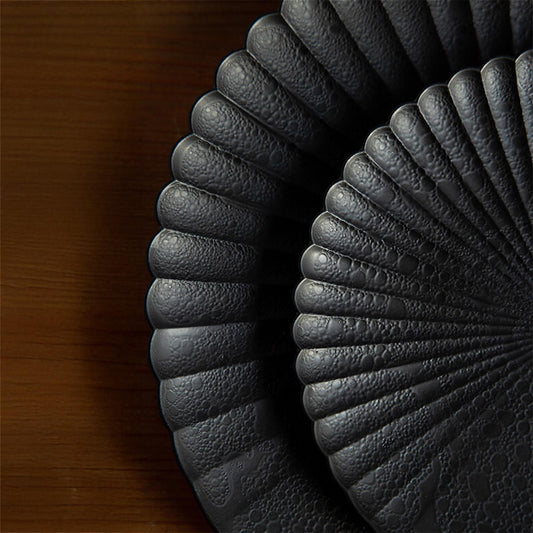
Ocean Bubble Handmade Plate Set - Black
Customer Favorite10% off
$124.00 valueOcean Bubble Handmade Plate Set - Black
Vendor:Arita WareRegular price $112.00Regular price -

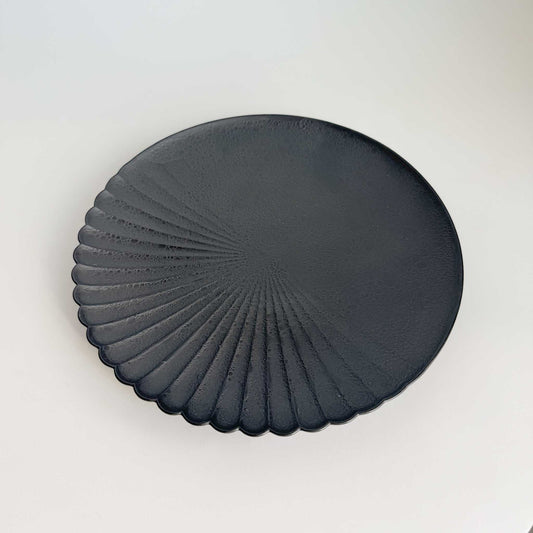
Ocean Bubble Handmade Plate - Large 9.0 in Black
Customer FavoriteOcean Bubble Handmade Plate - Large 9.0 in Black
Vendor:Arita WareRegular price $75.00Regular price -

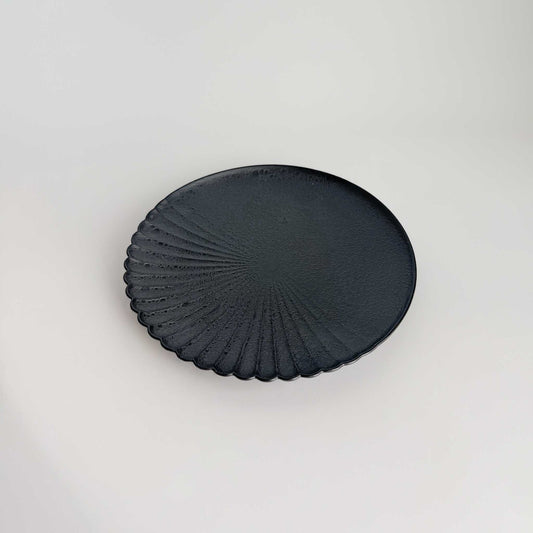
Ocean Bubble Handmade Plate - Small 6.3 in Black
Customer FavoriteOcean Bubble Handmade Plate - Small 6.3 in Black
Vendor:Arita WareRegular price $49.00Regular price -
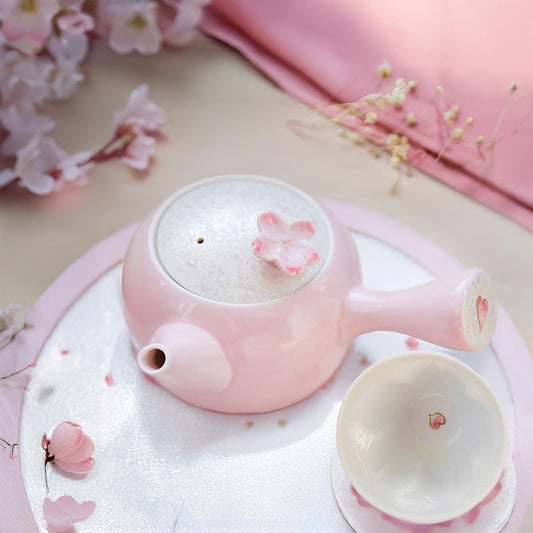
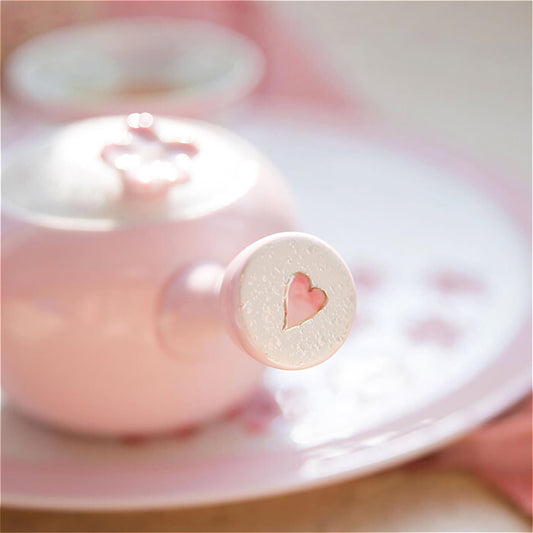
Cherry Blossom Handmade Teapot and Cup Set - Pink
Customer FavoriteCherry Blossom Handmade Teapot and Cup Set - Pink
Vendor:Arita WareRegular price From $110.00Regular price -

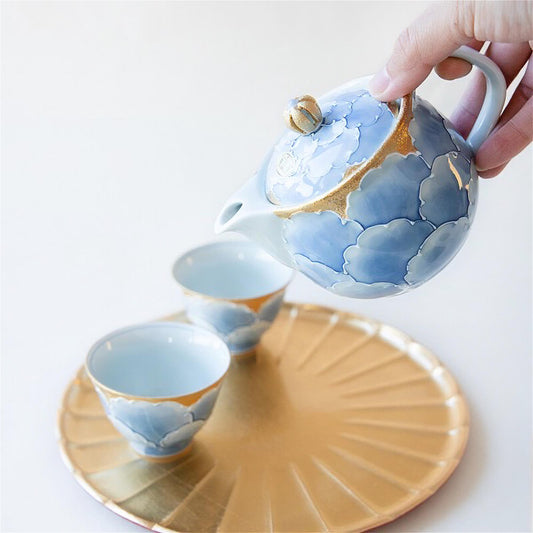
Peony Arita Ware Handmade Teapot and Cup Set
Customer FavoritePeony Arita Ware Handmade Teapot and Cup Set
Vendor:Arita WareRegular price From $105.00Regular price









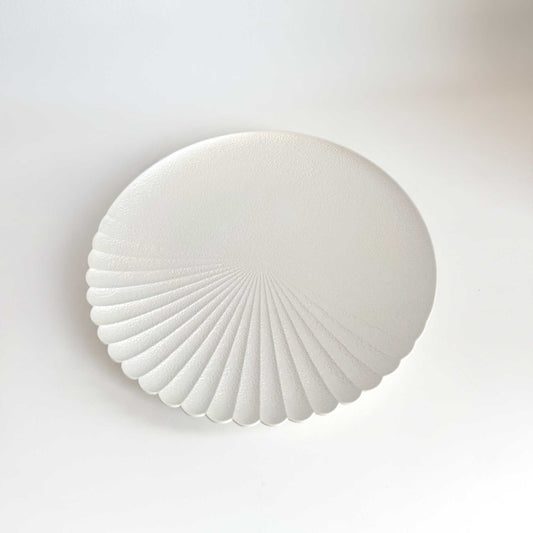

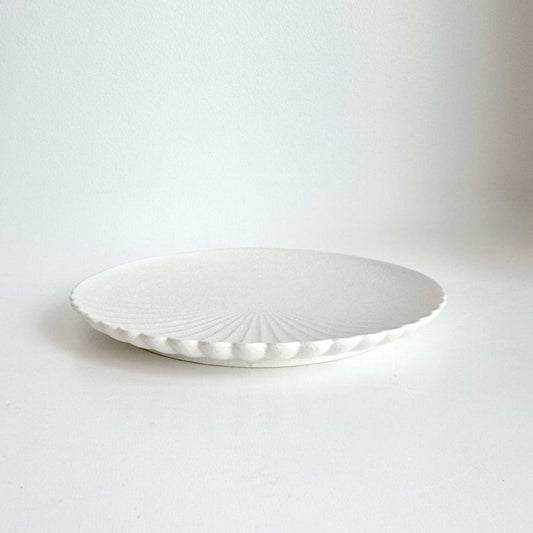


-

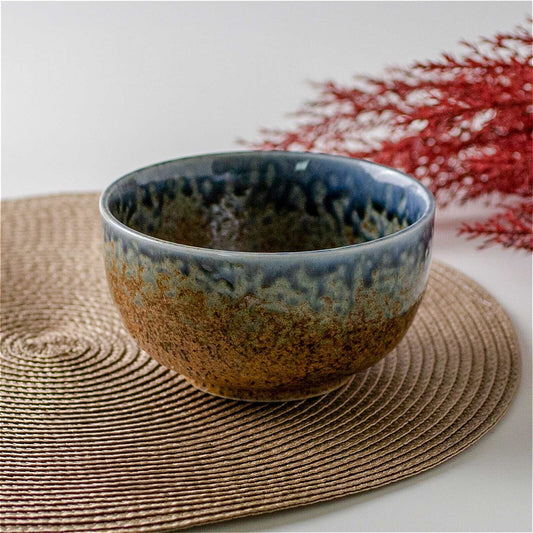
The Sandy Blue Mino Ware Porcelain Bowl - S/M/L
Customer FavoriteThe Sandy Blue Mino Ware Porcelain Bowl - S/M/L
Vendor:Mino WareRegular price From $32.00Regular price -

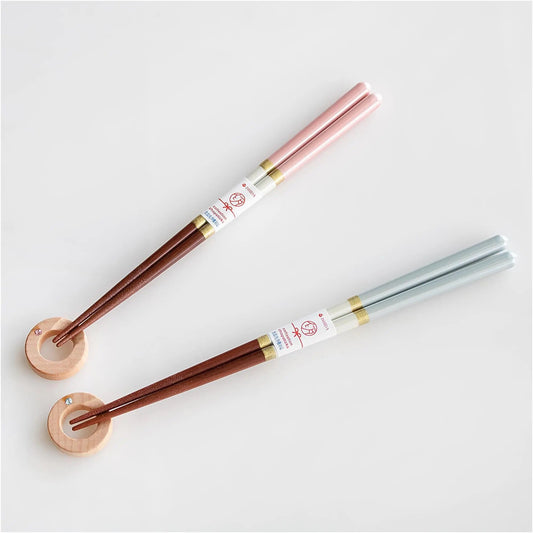
ISHIDA Eternal Knot Chopsticks and Rests Set
Customer FavoriteISHIDA Eternal Knot Chopsticks and Rests Set
Vendor:ISHIDARegular price $50.00Regular price -
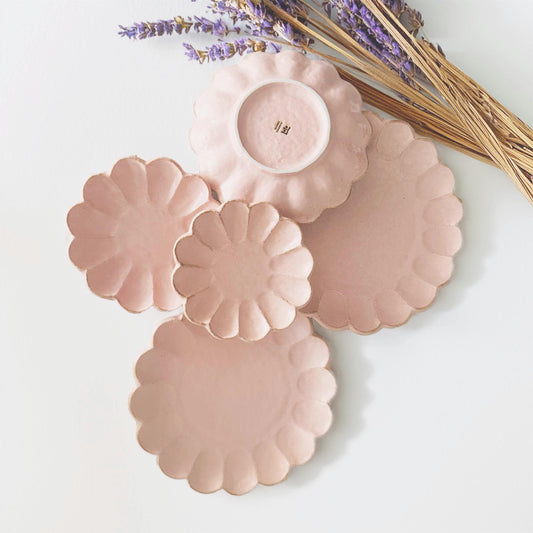
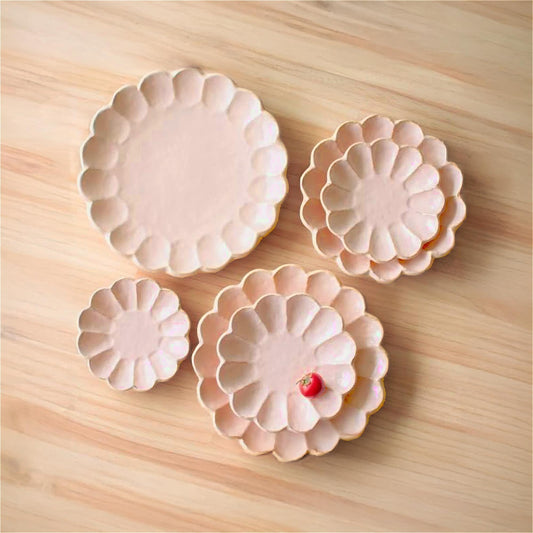
Kaneko Kohyo Rinka Handmade Plate - Pink
Customer FavoriteBundle & Save up to 20%Kaneko Kohyo Rinka Handmade Plate - Pink
Vendor:Kaneko KohyoRegular price From $30.00Regular price$0.00Sale price From $30.00Customer Favorite -

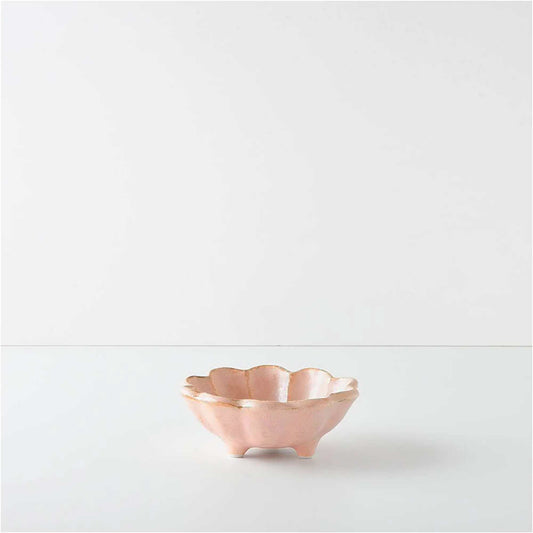
Kaneko Kohyo Rinka Handmade Bowl - Pink
Customer FavoriteBundle & save 15%Kaneko Kohyo Rinka Handmade Bowl - Pink
Vendor:Kaneko KohyoRegular price From $25.00Regular price -

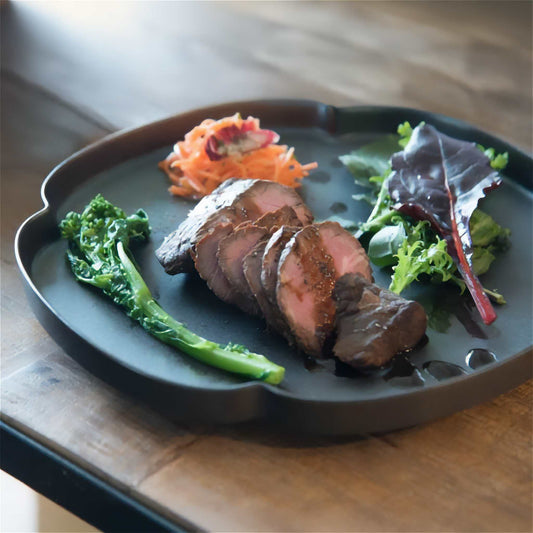
Tsudoi Iron Black Plate by Rina Ono
Customer FavoriteTsudoi Iron Black Plate by Rina Ono
Vendor:TsudoiRegular price $85.00Regular price -

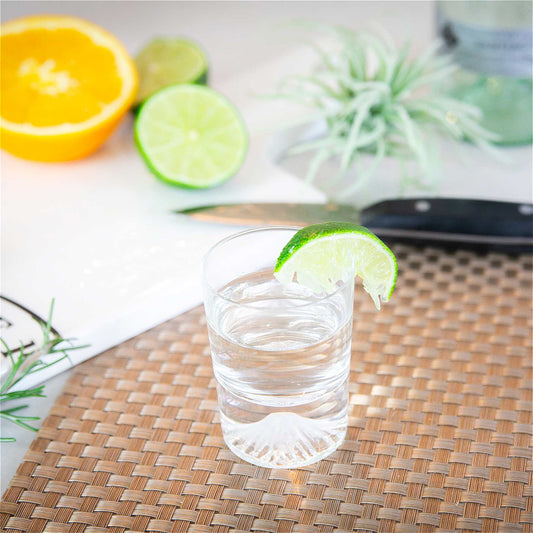
Mt. Fuji Double Shot Glass by Tajima Glass
Customer FavoriteMt. Fuji Double Shot Glass by Tajima Glass
Vendor:Tajima GlassRegular price $65.00Regular price -

![Kohiki Handmade Shallow Bowl by Takashi Sogo - M/L [Limited Qty]](//zenwarecrafts.com/cdn/shop/files/preview_images/84a4e09d492a4d8db66a851899663051.thumbnail.0000000000.jpg?v=1775012333&width=533) One of a Kind
One of a KindKohiki Handmade Shallow Bowl by Takashi Sogo - M/L [Limited Qty]
Customer FavoriteKohiki Handmade Shallow Bowl by Takashi Sogo - M/L [Limited Qty]
Vendor:Takashi SogoRegular price From $85.00Regular price -
![Kohiki Handmade Plate by Takashi Sogo - [Limited Qty] - ZenwareCrafts](//zenwarecrafts.com/cdn/shop/files/0ce2c067-il_fullxfull.7027681867_tpx4.jpg?v=1762215916&width=533)
![Kohiki Handmade Plate by Takashi Sogo - [Limited Qty] - ZenwareCrafts](//zenwarecrafts.com/cdn/shop/files/759ebdd7-il_fullxfull.7027681871_381w.jpg?v=1762215924&width=533) One of a Kind
One of a KindKohiki Handmade Plate by Takashi Sogo - S/L [Limited Qty]
Customer FavoriteKohiki Handmade Plate by Takashi Sogo - S/L [Limited Qty]
Vendor:Takashi SogoRegular price From $75.00Regular price


![Kohiki Handmade Shallow Bowl by Takashi Sogo - M/L [Limited Qty]](http://zenwarecrafts.com/cdn/shop/files/preview_images/84a4e09d492a4d8db66a851899663051.thumbnail.0000000000.jpg?v=1775012333&width=533)
![Kohiki Handmade Plate by Takashi Sogo - [Limited Qty] - ZenwareCrafts](http://zenwarecrafts.com/cdn/shop/files/0ce2c067-il_fullxfull.7027681867_tpx4.jpg?v=1762215916&width=533)
![Kohiki Handmade Plate by Takashi Sogo - [Limited Qty] - ZenwareCrafts](http://zenwarecrafts.com/cdn/shop/files/759ebdd7-il_fullxfull.7027681871_381w.jpg?v=1762215924&width=533)
-

Fast & Free Shipping
US Domestic 3-5 day fast shipping available. Free shipping over $50.
-

14-Day Return
Shop confidently with our 14-day hassle-free returns.
-

Loyalty Program
Get a 10% discount on your first order and save 20% on your third purchase.


