

Collection: Kohiki Ceramics by Takashi Sogo
Discover the elegance of Kohiki (粉引) ceramics, crafted meticulously by Japanese artisan Takashi Sogo, who is based in Okayama Prefecture, blends modern sensibilities with traditional craftsmanship. By leaving his fingerprint on each piece, he conveys the warmth and individuality of handmade work. Every item is carefully fired by the artist himself, making each piece truly one of a kind. The pieces stand apart with their natural textures and refined shape, offering authentic tableware that enriches both everyday meals and special occasions.
Our collection are sourced by Niz Market who has been collaborating with Mr.Takashi Sogo in Japan.

Takashi Sogo is a contemporary Japanese ceramic artist known for his refined, handcrafted tableware that reflects a balance of tradition and modern simplicity. His work often emphasizes subtle textures, natural forms, and quiet elegance, drawing inspiration from classic Japanese pottery aesthetics while maintaining a distinctly modern sensibility.
Sogo’s ceramics are typically made in small batches, highlighting artisanal craftsmanship and attention to detail. His pieces are appreciated for their understated beauty and functionality, making them popular among collectors who value everyday objects elevated through thoughtful design and handmade quality.
Sogo's background:
1966: Born in Tamano City, Okayama Prefecture, Japan
1998: Completed graduate studies in Art Education at Okayama University. Trained at Shigaraki Ceramic Cultural Park
2000: Served as artist-in-residence at the North Carolina Pottery Center, USA
After returning to Japan, built his own kiln and began working independently
2007: Relocated his studio to Tamano City, Okayama Prefecture

The white ceramics I create use a technique called Kohiki (粉引), which originated on the Korean Peninsula in the 15th century during the Joseon Dynasty. The process involves forming vessels from red clay, then applying a layer of white slip, giving the piece its soft white appearance.
During China’s Song and Yuan dynasties, pure white porcelain with flawless forms was a luxury reserved for the aristocracy. In contrast, Kohiki emerged as an alternative for the common people, offering a white finish using more accessible materials and methods. (This is one interpretation of its origin.)
Over time, as tastes and techniques evolved, Kohiki gradually declined in popularity in Korea. However, in Japan — where cultural exchange with Korea was active. Kohiki tea bowls were embraced by the samurai class and became highly valued in tea ceremony culture.
Kohiki’s unique texture resonates with the Japanese aesthetic of wabi-sabi — a worldview that finds beauty in imperfection and impermanence. This sensibility remains deeply rooted in everyday Japanese life. Because of its warm, organic feel, Kohiki pottery is often used to complement and enhance the presentation of food on the dining table.
- Takashi Sogo

1. Clay selection and preparation
A darker iron-rich clay body is chosen and carefully wedged to remove air bubbles and ensure even consistency.
2. Forming the piece
The clay is shaped on a potter’s wheel or by hand into bowls, plates, or vessels, focusing on soft, natural forms rather than rigid symmetry.
3. Initial drying (leather-hard stage)
The shaped piece is left to dry until it reaches a firm but workable stage, allowing for surface treatment.
4. Applying white slip (Kohiki layer)
A thin layer of white slip (liquid clay) is brushed, dipped, or poured over the surface. This creates the signature soft, milky-white appearance.
5. Partial absorption and texturing
As the slip partially absorbs into the base clay, subtle variations, brush marks, and tonal shifts naturally emerge—key to Kohiki’s character.
6. Refining the surface
The surface may be gently smoothed or left intentionally raw in places to preserve organic texture and depth.
7. First firing (bisque firing)
The piece is fired at a moderate temperature to harden the clay while preserving the delicate slip surface.
8. Glazing (optional or selective)
A clear or translucent glaze may be applied to enhance durability while maintaining the soft matte quality of Kohiki.
9. Final high-temperature firing
The ceramic is fired again at a higher temperature, permanently bonding the slip and clay layers and stabilizing the form.
10. Finishing and inspection
Each piece is inspected individually, with slight variations embraced as part of the handmade aesthetic that defines Sogo’s work.

Before Use
Before using your new ceramic piece for the first time, we recommend soaking it in clean water for at least two hours. This allows the clay to fully absorb moisture, helping to prevent odors and stains from setting in.
Daily Care Instructions
Avoid leaving food or beverages in the vessel for extended periods (especially overnight), as moisture may seep through and leave water marks on surfaces. After use, be sure to dry the piece thoroughly to prevent any residual dampness.
Microwave & Dishwasher Use
Kohiki ceramics are microwave & dishwasher safe. For longevity, we recommend hand wash and limit microwave use.
Avoid Sudden Temperature Changes
Do not expose your ceramics to extreme temperature shifts (e.g., from fridge to microwave), as this may cause cracking.
On the Nature of Ceramics
Handcrafted ceramics naturally change over time, developing a richer patina with use. This gentle transformation is part of their unique charm. We hope this piece becomes a beloved part of your everyday life.
-
Kohiki Handmade V-Shape Bowl by Takashi Sogo - S/M [Limited Qty]
Vendor:Takashi SogoRegular price From $75.00Regular price -
Kohiki Handmade Soup Cup by Takashi Sogo - S/L [Limited Qty]
Vendor:Takashi SogoRegular price From $75.00Regular price -
Kohiki Handmade Round Bowl by Takashi Sogo - [Limited Qty]
Vendor:Takashi SogoRegular price $75.00Regular price -

![Kohiki Handmade Shallow Bowl by Takashi Sogo - M/L [Limited Qty]](//zenwarecrafts.com/cdn/shop/files/preview_images/84a4e09d492a4d8db66a851899663051.thumbnail.0000000000.jpg?v=1775012333&width=533) One of a Kind
One of a KindKohiki Handmade Shallow Bowl by Takashi Sogo - M/L [Limited Qty]
Customer FavoriteKohiki Handmade Shallow Bowl by Takashi Sogo - M/L [Limited Qty]
Vendor:Takashi SogoRegular price From $85.00Regular price -
![Kohiki Handmade Plate by Takashi Sogo - [Limited Qty] - ZenwareCrafts](//zenwarecrafts.com/cdn/shop/files/0ce2c067-il_fullxfull.7027681867_tpx4.jpg?v=1762215916&width=533)
![Kohiki Handmade Plate by Takashi Sogo - [Limited Qty] - ZenwareCrafts](//zenwarecrafts.com/cdn/shop/files/759ebdd7-il_fullxfull.7027681871_381w.jpg?v=1762215924&width=533) One of a Kind
One of a KindKohiki Handmade Plate by Takashi Sogo - S/L [Limited Qty]
Customer FavoriteKohiki Handmade Plate by Takashi Sogo - S/L [Limited Qty]
Vendor:Takashi SogoRegular price From $75.00Regular price


![Kohiki Handmade Bowl by Takashi Sogo - [Limited Qty] - ZenwareCrafts](http://zenwarecrafts.com/cdn/shop/files/8960176587006_45525627764990_pos1.jpg?v=1763424170&width=533)
![Kohiki Handmade Bowl by Takashi Sogo - [Limited Qty] - ZenwareCrafts](http://zenwarecrafts.com/cdn/shop/files/8960176587006_45525627797758_pos2.jpg?v=1763424171&width=533)

![Kohiki Handmade Shallow Bowl by Takashi Sogo - M/L [Limited Qty]](http://zenwarecrafts.com/cdn/shop/files/preview_images/84a4e09d492a4d8db66a851899663051.thumbnail.0000000000.jpg?v=1775012333&width=533)
![Kohiki Handmade Plate by Takashi Sogo - [Limited Qty] - ZenwareCrafts](http://zenwarecrafts.com/cdn/shop/files/0ce2c067-il_fullxfull.7027681867_tpx4.jpg?v=1762215916&width=533)
![Kohiki Handmade Plate by Takashi Sogo - [Limited Qty] - ZenwareCrafts](http://zenwarecrafts.com/cdn/shop/files/759ebdd7-il_fullxfull.7027681871_381w.jpg?v=1762215924&width=533)
-

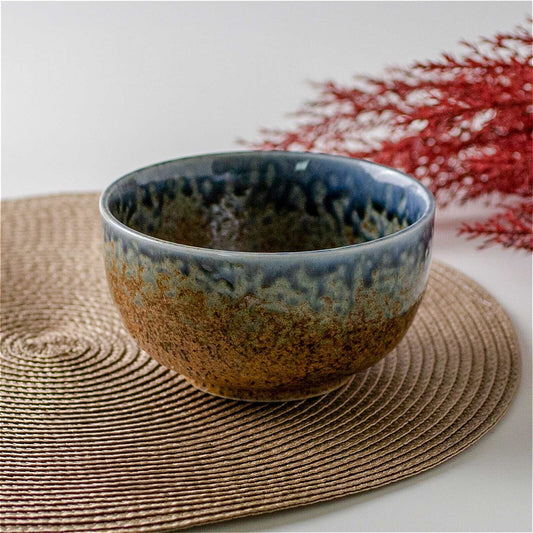
The Sandy Blue Mino Ware Porcelain Bowl - S/M/L
Customer FavoriteThe Sandy Blue Mino Ware Porcelain Bowl - S/M/L
Vendor:Mino WareRegular price From $32.00Regular price -

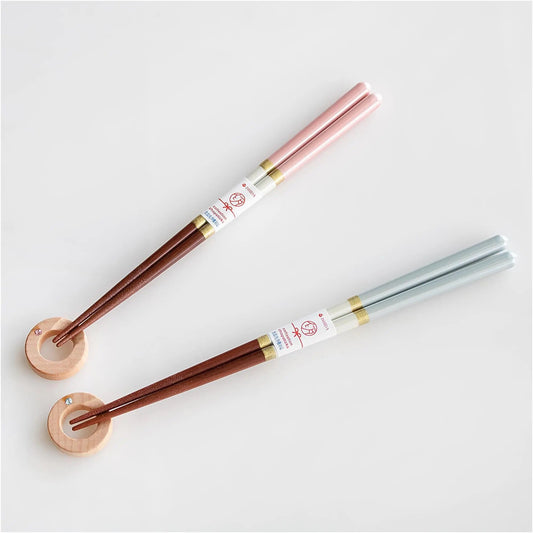
ISHIDA Eternal Knot Chopsticks and Rests Set
Customer FavoriteISHIDA Eternal Knot Chopsticks and Rests Set
Vendor:ISHIDARegular price $50.00Regular price -

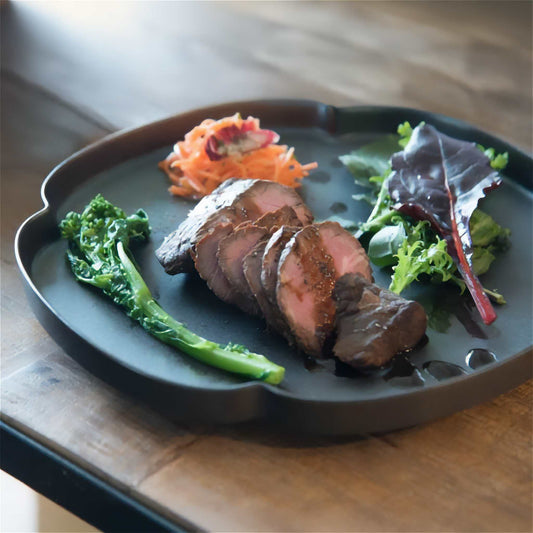
Tsudoi Iron Black Plate by Rina Ono
Customer FavoriteTsudoi Iron Black Plate by Rina Ono
Vendor:TsudoiRegular price $85.00Regular price -
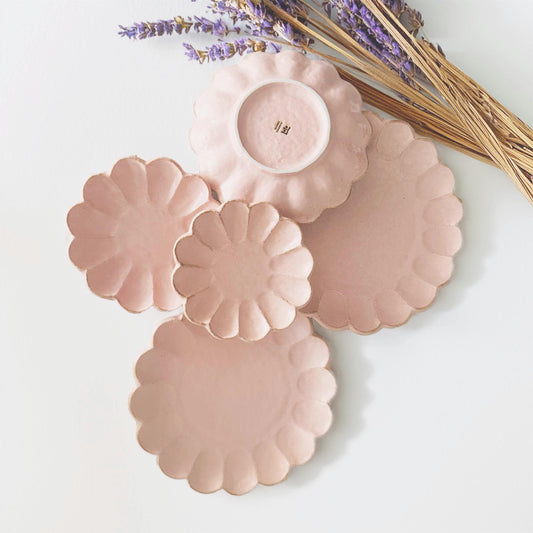
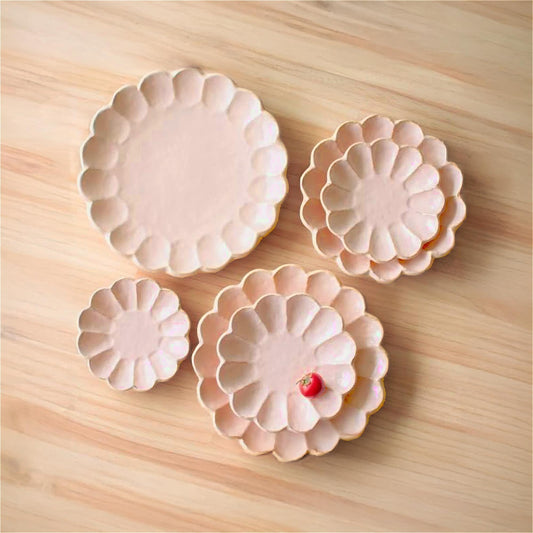
Kaneko Kohyo Rinka Handmade Plate - Pink
Customer FavoriteBundle & Save up to 20%Kaneko Kohyo Rinka Handmade Plate - Pink
Vendor:Kaneko KohyoRegular price From $30.00Regular price$0.00Sale price From $30.00Customer Favorite -
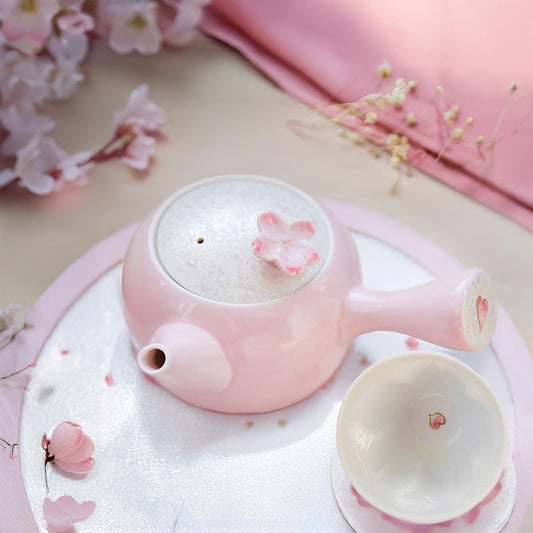
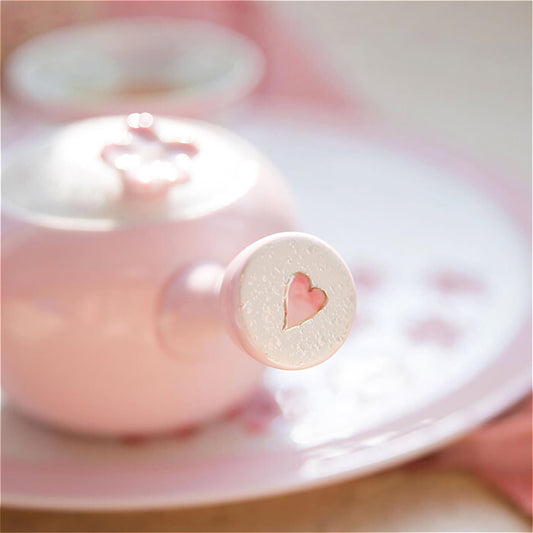
Cherry Blossom Handmade Teapot and Cup Set - Pink
Customer FavoriteCherry Blossom Handmade Teapot and Cup Set - Pink
Vendor:Arita WareRegular price From $110.00Regular price -

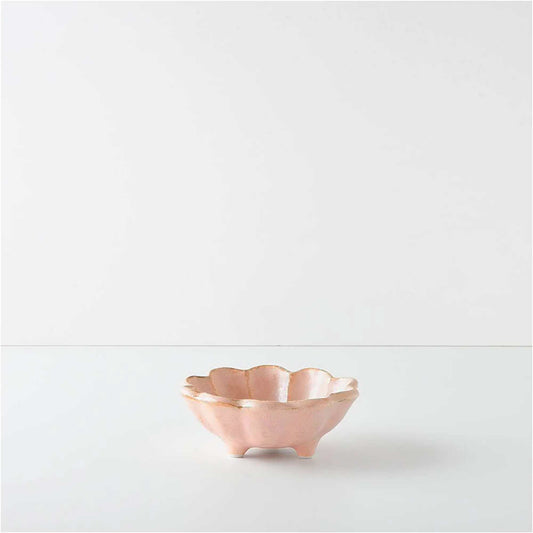
Kaneko Kohyo Rinka Handmade Bowl - Pink
Customer FavoriteBundle & save 15%Kaneko Kohyo Rinka Handmade Bowl - Pink
Vendor:Kaneko KohyoRegular price From $25.00Regular price -

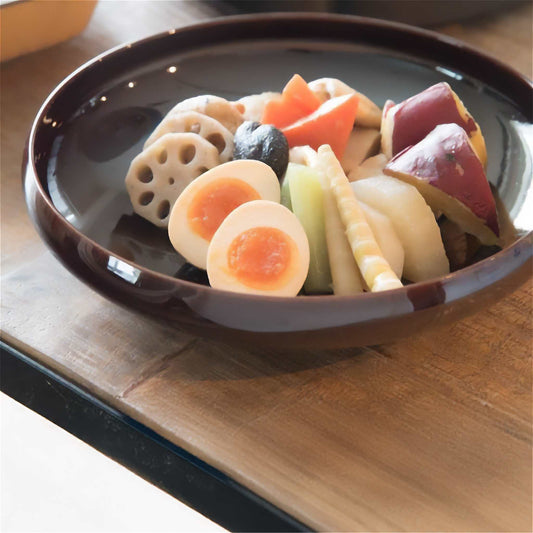
Tsudoi Iron Maroon Serving Bowl by Rina Ono
Customer FavoriteTsudoi Iron Maroon Serving Bowl by Rina Ono
Vendor:TsudoiRegular price $75.00Regular price -

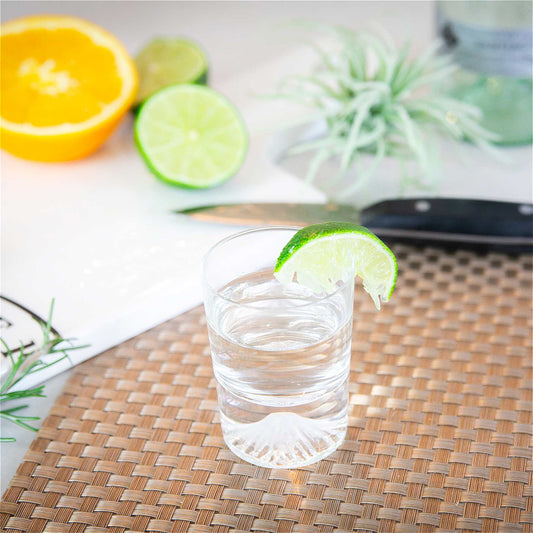
Mt. Fuji Double Shot Glass by Tajima Glass
Customer FavoriteMt. Fuji Double Shot Glass by Tajima Glass
Vendor:Tajima GlassRegular price $65.00Regular price -
One of a Kind
Kohiki Handmade Shallow Bowl by Takashi Sogo - M/L [Limited Qty]
Customer FavoriteKohiki Handmade Shallow Bowl by Takashi Sogo - M/L [Limited Qty]
Vendor:Takashi SogoRegular price From $85.00Regular price -
One of a Kind
Kohiki Handmade Plate by Takashi Sogo - S/L [Limited Qty]
Customer FavoriteKohiki Handmade Plate by Takashi Sogo - S/L [Limited Qty]
Vendor:Takashi SogoRegular price From $75.00Regular price


-

Fast & Free Shipping
US Domestic 1-3 day fast shipping available. Free shipping over $50.
-

14-Day Return
Shop confidently with our 14-day hassle-free returns.
-

Loyalty Program
Get a 10% discount on your first order and save 20% on your third purchase.


