

Collection: Tsudoi by Rina Ono
The Tsudoi collection is designed by Rina Ono and produced by Oda Pottery x Miyama. It is designed to celebrate moments of togetherness—when family gathers, friends meet, or couples share a quiet meal. A place where conversation and smiles meet at the center of the dining table, each bowl accompanies those peaceful times. Inspired by vessels crafted since ancient times, the collection features four bowls in different textures, thoughtfully shaped and sized to harmonize beautifully with everyday dining.

Rina Ono is a Japanese designer known for her warm, human-centered approach to everyday objects. Blending modern simplicity with timeless tradition, she creates tableware and lifestyle pieces that bring comfort, connection, and beauty to daily life.
After graduating from the Department of Product Design, Faculty of Design Engineering, Tohoku University of Art and Design, Rina worked at a design firm before completing her Master's degree at the Graduate School of Art and Design at the same university. After working as an assistant in the Product Design Department at the same university, she founded rinao design in 2007.
Rina works with makers from various regions of Japan to create products that are close to the user's life through "making" and "using."
Ono's Background:
2001 Graduated from MA of the Tohoku University of Art and Design, Yamagata, Japan
2001 Studied at Konstfack University College of Arts, Crafts and Design as an exchange student
2002 Worked as an assistant at the Tohoku University of Art and Design
2007 Launched "Rinao design studio".

Ono's Awards History:
- 2023/CX AWARD 2023 “conte Easy Tongs”
- 2023/GOOD DESIGN AWARD 2023 Good Focus Award “conte Easy Tongs”
- 2023/GOOD DESIGN AWARD 2023 BEST 100 “conte Easy Tongs”
- 2020/GERMAN DESIGN AWARD 2021 GOLD “conte Yakusaji”
- 2019/GOOD DESIGN AWARD 2019 BEST 100 “conte Yakusaji”
- 2018/RedDot Design Award Winner 2018 “Conte Staff Bowl”
- 2018/iF DESIGN GOLD AWARD 2018 “conte Staff Bowl”
- 2018/GOOD DESIGN AWARD 2018 “conte Straining Oil Pot”
- 2017/GOOD DESIGN AWARD 2017 "conte Staff Flat Colander and Round Tray"
- 2016/GOOD DESIGN AWARD 2016 “conte staff bowl”
- 2013/GOOD DESIGN AWARD 2013 “Paper Vase”
- 2006/MUJI award 01 Bronze Award “SORI”
- 2005/KOKUYO design award Special Jury Award "ORUCHO"
- 2004/Design Competition Hainan the final Bronze Award "Q-pe"
- 2004/Kainan Design Competition Final Encouragement Award "8-band"
- 2004/Toyama Product Design Competition Toyama Design Award “DAVIDSON”

Oda Pottery produced the Tsudoi collection designed by Rina Ono in partnership with Miyama. This collaboration combines Oda Pottery’s long-standing craftsmanship with a shared philosophy of creating vessels that celebrate togetherness and harmony at the dining table. Through such projects, the pottery continues to evolve, striving to be a partner trusted by both the market and the individuals who use their ware every day.
Oda Pottery was established in 1921 in Mizunami City, Gifu Prefecture, a region renowned for Mino ware. Since the early Meiji era, this area has flourished as one of the world’s leading producers of white porcelain, originally crafting and exporting Western-style tableware to Europe and the United States. Carrying forward the techniques and aspirations passed down through generations, Oda Pottery has dedicated over a century to the production of high-quality white porcelain.
The company’s core philosophy centers on being a supporter of Japanese food culture through "skillful manufacturing." Their greatest strength lies in their technical ability to create "translucent white" porcelain, a finish that enhances the beauty of any dish. By blending these traditional techniques with modern design, Oda Pottery proposes new forms of "Japanese white vessels" that are specifically intended to fit into the context of contemporary daily life.

1. Before First Use
Soak your Mino ware in clean water for 10–15 minutes, especially for pieces with porous or matte glazes. This helps reduce absorption and prevent stains.
2. Washing
Hand wash with mild soap and a soft sponge. Avoid abrasive scrubbers that may damage the glaze. While some pieces are dishwasher-safe, hand washing is recommended to preserve their beauty.
3. Drying
Dry thoroughly with a soft cloth or allow to air-dry completely before storing. This helps prevent moisture buildup and odors.
4. Avoid Sudden Temperature Changes
Do not expose your ceramics to extreme temperature shifts (e.g., from fridge to microwave), as this may cause cracking.
5. Microwave & Dishwasher Use
Most Mino ware is microwave-safe, but avoid using pieces with metallic finishes. For longevity, limit dishwasher use when possible.
6. Stain & Odor Care
To remove stains or odors, soak in warm water with a small amount of baking soda. Rinse well and dry completely.
7. Storage
Stack carefully with a cloth or paper between pieces to prevent scratches or chips.
8. Long-Term Maintenance
For tea stains or marks, use a mild baking soda paste to gently clean without damaging the surface.
-

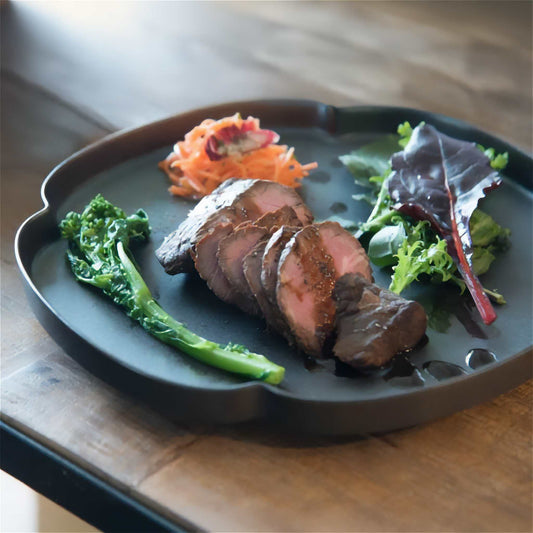
Tsudoi Iron Black Plate by Rina Ono
Customer FavoriteTsudoi Iron Black Plate by Rina Ono
Vendor:TsudoiRegular price $85.00Regular price -

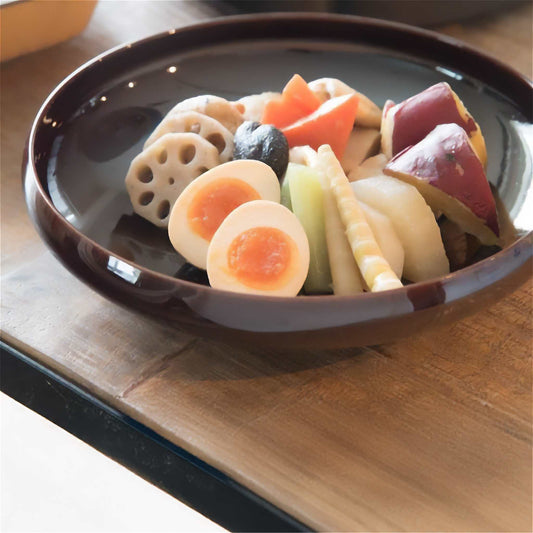
Tsudoi Iron Maroon Serving Bowl by Rina Ono
Customer FavoriteTsudoi Iron Maroon Serving Bowl by Rina Ono
Vendor:TsudoiRegular price $75.00Regular price -

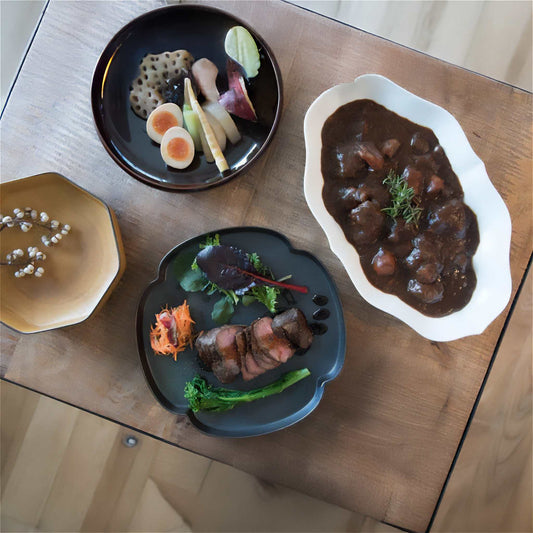
Tsudoi Tableware Set by Rina Ono
Vendor:TsudoiRegular price $272.00Regular price -

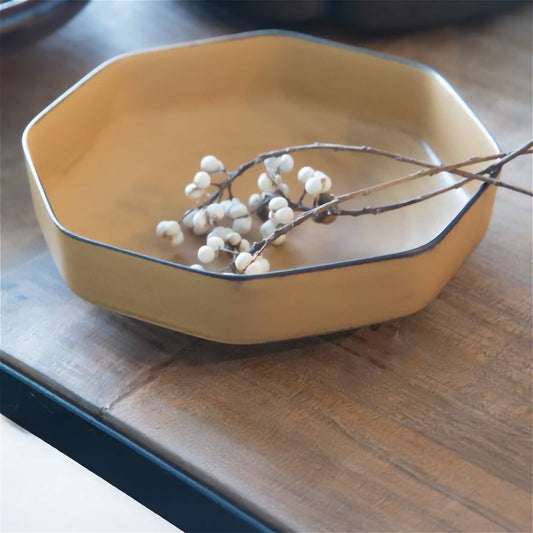
Tsudoi Octagon Mustard Serving Bowl by Rina Ono
Customer FavoriteTsudoi Octagon Mustard Serving Bowl by Rina Ono
Vendor:TsudoiRegular price $70.00Regular price -
Tsudoi White Oval Shape Platter by Rina Ono
Vendor:TsudoiRegular price $90.00Regular price


-

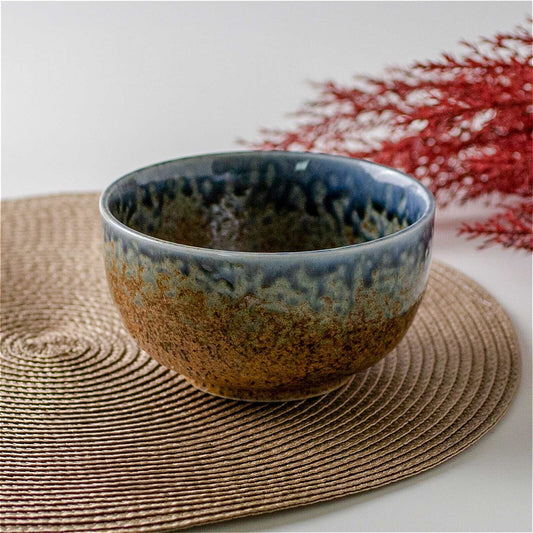
The Sandy Blue Mino Ware Porcelain Bowl - S/M/L
Customer FavoriteThe Sandy Blue Mino Ware Porcelain Bowl - S/M/L
Vendor:Mino WareRegular price From $32.00Regular price -

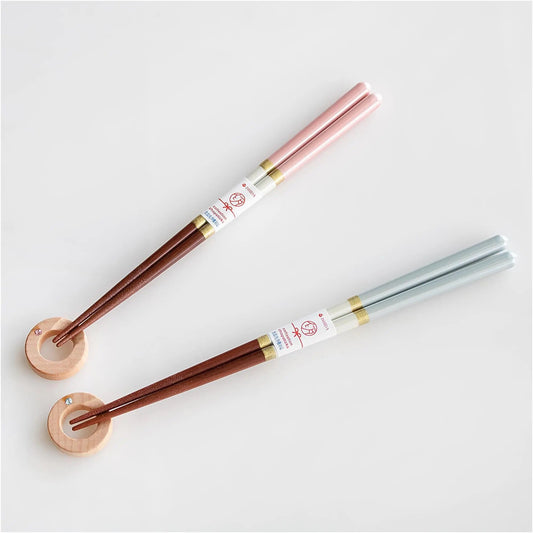
ISHIDA Eternal Knot Chopsticks and Rests Set
Customer FavoriteISHIDA Eternal Knot Chopsticks and Rests Set
Vendor:ISHIDARegular price $50.00Regular price -
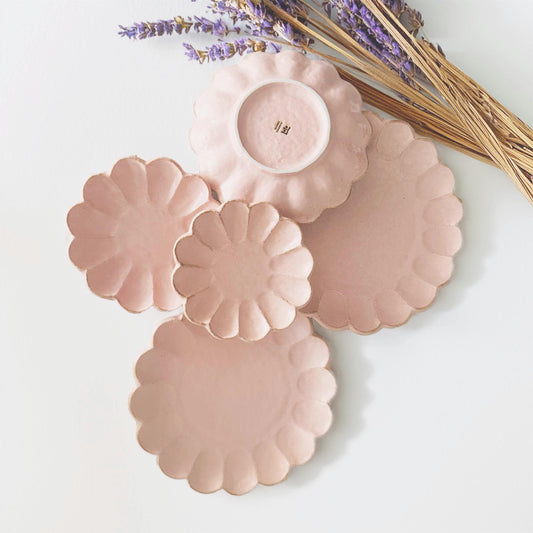
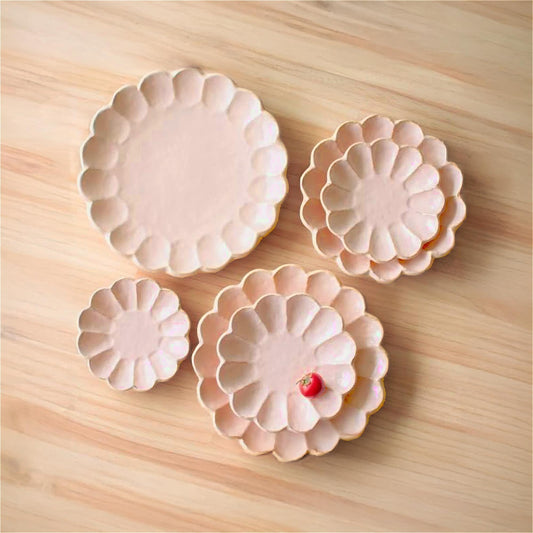
Kaneko Kohyo Rinka Handmade Plate - Pink
Customer FavoriteBundle & Save up to 20%Kaneko Kohyo Rinka Handmade Plate - Pink
Vendor:Kaneko KohyoRegular price From $30.00Regular price$0.00Sale price From $30.00Customer Favorite -

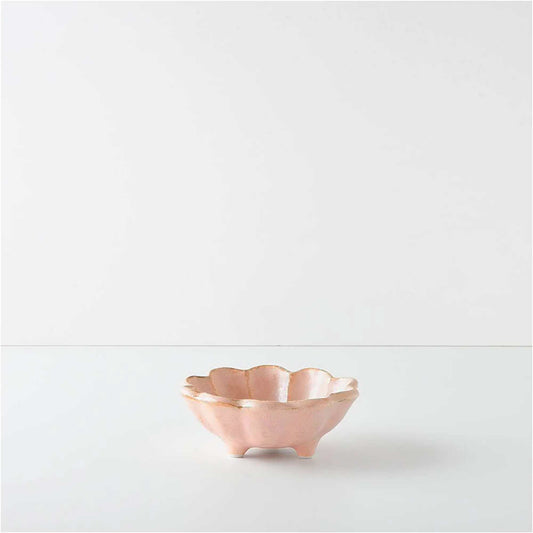
Kaneko Kohyo Rinka Handmade Bowl - Pink
Customer FavoriteBundle & save 15%Kaneko Kohyo Rinka Handmade Bowl - Pink
Vendor:Kaneko KohyoRegular price From $25.00Regular price -
Tsudoi Iron Black Plate by Rina Ono
Customer FavoriteTsudoi Iron Black Plate by Rina Ono
Vendor:TsudoiRegular price $85.00Regular price -

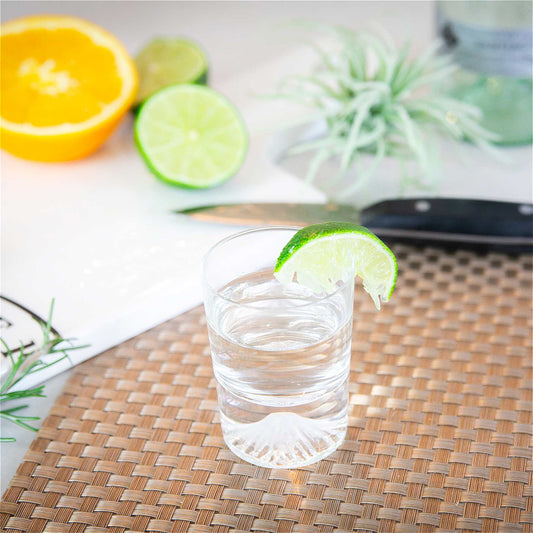
Mt. Fuji Double Shot Glass by Tajima Glass
Customer FavoriteMt. Fuji Double Shot Glass by Tajima Glass
Vendor:Tajima GlassRegular price $65.00Regular price -

![Kohiki Handmade Shallow Bowl by Takashi Sogo - M/L [Limited Qty]](//zenwarecrafts.com/cdn/shop/files/preview_images/84a4e09d492a4d8db66a851899663051.thumbnail.0000000000.jpg?v=1775012333&width=533) One of a Kind
One of a KindKohiki Handmade Shallow Bowl by Takashi Sogo - M/L [Limited Qty]
Customer FavoriteKohiki Handmade Shallow Bowl by Takashi Sogo - M/L [Limited Qty]
Vendor:Takashi SogoRegular price From $85.00Regular price -
![Kohiki Handmade Plate by Takashi Sogo - [Limited Qty] - ZenwareCrafts](//zenwarecrafts.com/cdn/shop/files/0ce2c067-il_fullxfull.7027681867_tpx4.jpg?v=1762215916&width=533)
![Kohiki Handmade Plate by Takashi Sogo - [Limited Qty] - ZenwareCrafts](//zenwarecrafts.com/cdn/shop/files/759ebdd7-il_fullxfull.7027681871_381w.jpg?v=1762215924&width=533) One of a Kind
One of a KindKohiki Handmade Plate by Takashi Sogo - S/L [Limited Qty]
Customer FavoriteKohiki Handmade Plate by Takashi Sogo - S/L [Limited Qty]
Vendor:Takashi SogoRegular price From $75.00Regular price -

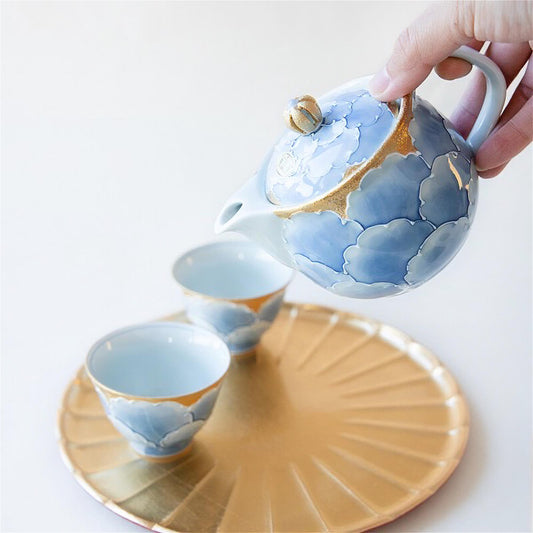
Peony Arita Ware Handmade Teapot and Cup Set
Customer FavoritePeony Arita Ware Handmade Teapot and Cup Set
Vendor:Arita WareRegular price From $105.00Regular price -
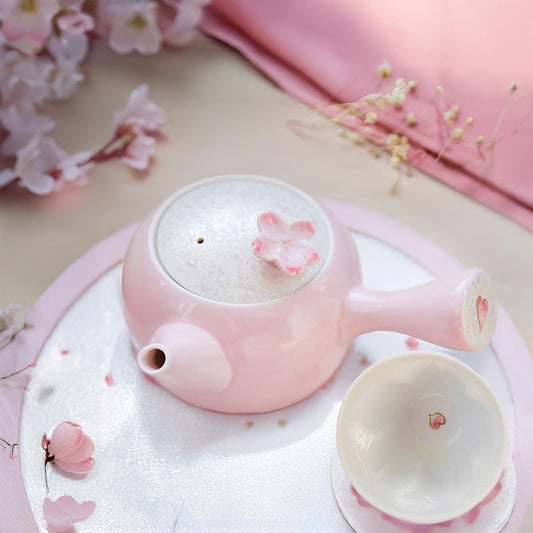
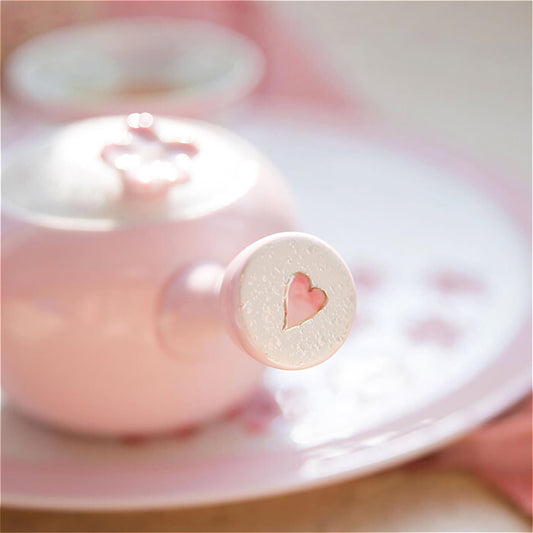
Cherry Blossom Handmade Teapot and Cup Set - Pink
Customer FavoriteCherry Blossom Handmade Teapot and Cup Set - Pink
Vendor:Arita WareRegular price From $110.00Regular price


![Kohiki Handmade Shallow Bowl by Takashi Sogo - M/L [Limited Qty]](http://zenwarecrafts.com/cdn/shop/files/preview_images/84a4e09d492a4d8db66a851899663051.thumbnail.0000000000.jpg?v=1775012333&width=533)
![Kohiki Handmade Plate by Takashi Sogo - [Limited Qty] - ZenwareCrafts](http://zenwarecrafts.com/cdn/shop/files/0ce2c067-il_fullxfull.7027681867_tpx4.jpg?v=1762215916&width=533)
![Kohiki Handmade Plate by Takashi Sogo - [Limited Qty] - ZenwareCrafts](http://zenwarecrafts.com/cdn/shop/files/759ebdd7-il_fullxfull.7027681871_381w.jpg?v=1762215924&width=533)

-

Fast & Free Shipping
US Domestic 3-5 day fast shipping available. Free shipping over $50.
-

14-Day Return
Shop confidently with our 14-day hassle-free returns.
-

Loyalty Program
Get a 10% discount on your first order and save 20% on your third purchase.


