

Collection: Souji Tsurumi
Born in Tokyo in 1967, ceramic artist Souji Tsurumi (鶴見宗次) found his calling in pottery and eventually made his home in Tokoname, Aichi - one of Japan's historic pottery towns.
For over two decades, he has devoted himself to creating pottery using tezukuri, a traditional hand-building technique. Rather than using a pottery wheel, he gently shapes iron-rich clay with his fingertips, giving each piece its own organic form and character.
Tsurumi believes in the simple joy of making things by hand. His philosophy is reflected in his work: honest, unpretentious ceramics that celebrate natural imperfections and quiet beauty.
Each piece is thoughtfully made, not to stand out, but to become a beloved part of everyday life.
Our collection are sourced by Niz Market who has been collaborating with Mr.Souji Tsurumi in Japan.

Souji Tsurumi (鶴見宗次) is a Japanese ceramic artist born in Tokyo in 1967, now based in Tokoname, Aichi Prefecture, a region with a long and celebrated history of pottery. After discovering ceramics through a pottery class in Tokyo, he moved to Tokoname to study at the Tokoname Ceramic Art Institute, eventually establishing himself as an independent artist.
Tsurumi's signature approach is tezukuri, a traditional hand-building technique in which clay is shaped carefully with the fingers rather than on a pottery wheel. Working primarily with iron-rich local clay, he creates pieces with honest, understated forms and subtle organic variations.
For Tsurumi, pottery is about the quiet dedication of working with one's hands. He finds fulfillment in the simple, continuous process of shaping clay, without constantly seeking change or novelty. Each piece is made individually, allowing the natural character of the material and the artist's touch to remain visible.
His work embodies a quiet, unpretentious beauty — functional objects that feel natural in everyday life and become more beloved with time.
Each creation is a reminder that true beauty often lies in simplicity.

During his time in Tokyo, Souji Tsurumi casually dropped into a pottery class and touched clay for the first time. The following year, he enrolled in the Tokoname Pottery Research Institute, beginning his journey into the world of ceramics.
"When I was younger, I considered various jobs, but when I moved to Tokoname, I think I had already decided that I wanted to make a living in this field. I've always enjoyed working with my hands to create things and focusing on one thing. More than anything, I think pottery is a job that suits me because it's something I can complete from start to finish on my own."
Tsurumi has been working in his current studio for over 20 years. While many artists change their expression or work environment as they gain experience, Tsurumi says he doesn't particularly seek evolution or change.
"This place was originally a pottery factory that manufactured manifold pipes for plumbing. After they went out of business, the landlord renovated it into a shared workshop and began offering it as a workspace to young artisans, and that's when he reached out to me. The building is old, but the environment is perfectly adequate. The current landlord is very kind, and since it's a shared kiln with multiple artisans, even when I'm holed up in my workshop, there's always a sense of people around, and it's well-ventilated."
Tsurumi's background:
1967: Born in Tokyo, Japan
1991: Completed graduate studies at Tokoname City Ceramics Institute.
1992: Selected for the Asahi Ceramic Art Exhibition
1996: Selected for the Flower Vase Biennale Exhibition
1998: Awarded an Encouragement Prize at the 6th "Flower Pottery Exhibition"
1999: Winner of the Newcomer Award at the 7th "Flower Pottery Exhibition"

Every piece of Souji Tsurumi's pottery begins with a simple interaction between clay and the artist's hands. Using the traditional Japanese Tezukuri (hand-building) technique, he creates vessels that embrace natural forms, subtle textures, and the beauty of handmade craftsmanship.
1. Preparing the Clay
The process begins with preparing the clay, making it workable for hand-building. The material becomes the foundation for each vessel, retaining its natural character throughout the process.
2. Shaping by Hand
Rather than using a pottery wheel, Tsurumi shapes the clay directly with his hands and fingers. Slowly and deliberately, he builds each vessel, allowing organic forms to emerge naturally.
3. Refining the Form
As the shape develops, he gently refines the contours and surface. Small variations and irregularities are embraced, giving each piece its own individual character.
4. Drying and Finishing
The shaped pottery is left to dry before undergoing the necessary finishing work. This stage prepares the piece for firing.
5. Firing in the Kiln
The pottery is fired in a kiln to transform the clay into durable ceramic. The firing process gives each piece its finished ceramic structure.
6. A One-of-a-Kind Creation
The finished piece carries the subtle marks of the artist's hands. No two vessels are exactly alike, making each one a unique expression of Tsurumi's craftsmanship.

Before Use
Before using your new ceramic piece for the first time, we recommend soaking it in clean water for at least two hours. This allows the clay to fully absorb moisture, helping to prevent odors and stains from setting in.
Daily Care Instructions
Avoid leaving food or beverages in the vessel for extended periods (especially overnight), as moisture may seep through and leave water marks on surfaces. After use, be sure to dry the piece thoroughly to prevent any residual dampness.
Microwave & Dishwasher Use
Tsurumi ceramics are microwave & dishwasher safe. For longevity, we recommend hand wash and limit microwave use.
Avoid Sudden Temperature Changes
Do not expose your ceramics to extreme temperature shifts (e.g., from fridge to microwave), as this may cause cracking.
On the Nature of Ceramics
Handcrafted ceramics naturally change over time, developing a richer patina with use. This gentle transformation is part of their unique charm. We hope this piece becomes a beloved part of your everyday life.
-
Handmade Black Donburi Bowl by Souji Tsurumi - S/M [Limited Qty]
Vendor:Souji TsurumiRegular price From $75.00Regular price -
Handmade White Donburi Bowl by Souji Tsurumi - S/M [Limited Qty]
Vendor:Souji TsurumiRegular price From $75.00Regular price


-

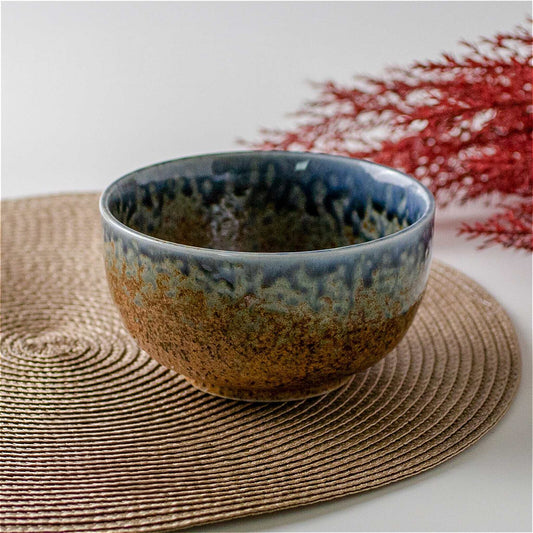
The Sandy Blue Mino Ware Porcelain Bowl - S/M/L
Customer FavoriteThe Sandy Blue Mino Ware Porcelain Bowl - S/M/L
Vendor:Mino WareRegular price From $32.00Regular price -

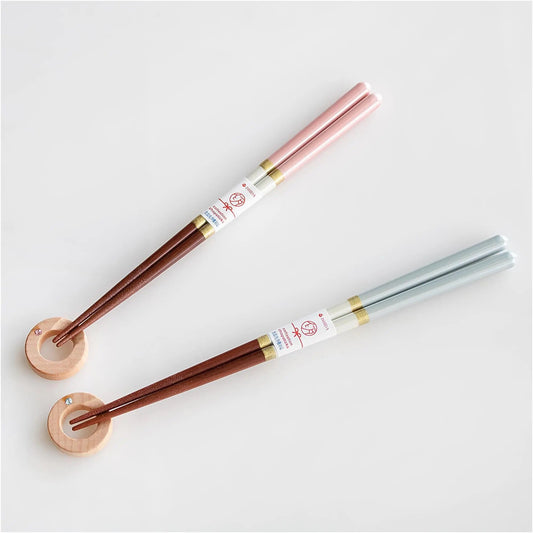
ISHIDA Eternal Knot Chopsticks and Rests Set
Customer FavoriteISHIDA Eternal Knot Chopsticks and Rests Set
Vendor:ISHIDARegular price $50.00Regular price -

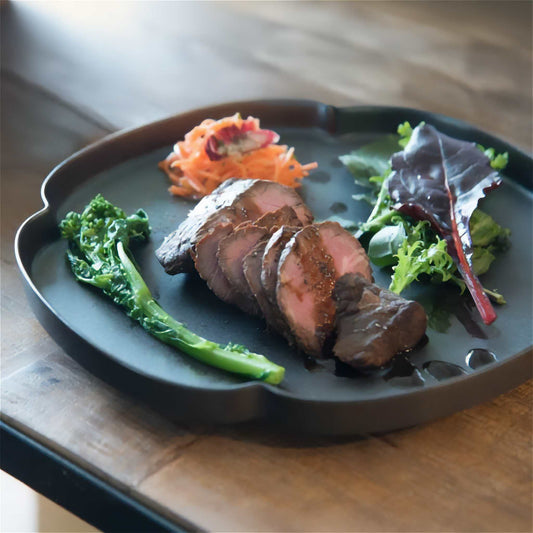
Tsudoi Iron Black Plate by Rina Ono
Customer FavoriteTsudoi Iron Black Plate by Rina Ono
Vendor:TsudoiRegular price $85.00Regular price -
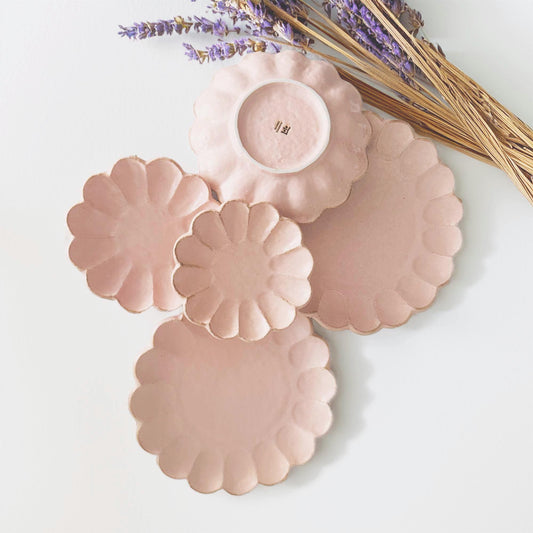
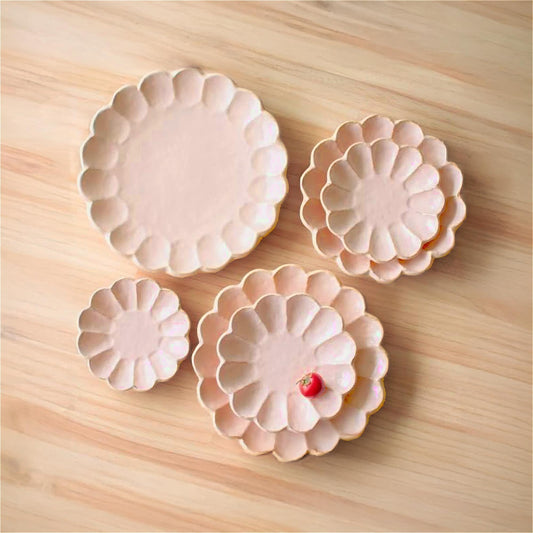
Kaneko Kohyo Rinka Handmade Plate - Pink
Customer FavoriteBundle & Save up to 20%Kaneko Kohyo Rinka Handmade Plate - Pink
Vendor:Kaneko KohyoRegular price From $30.00Regular price$0.00Sale price From $30.00Customer Favorite -
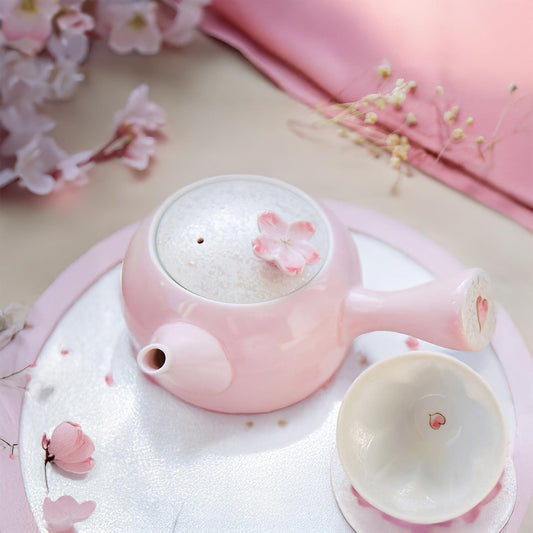
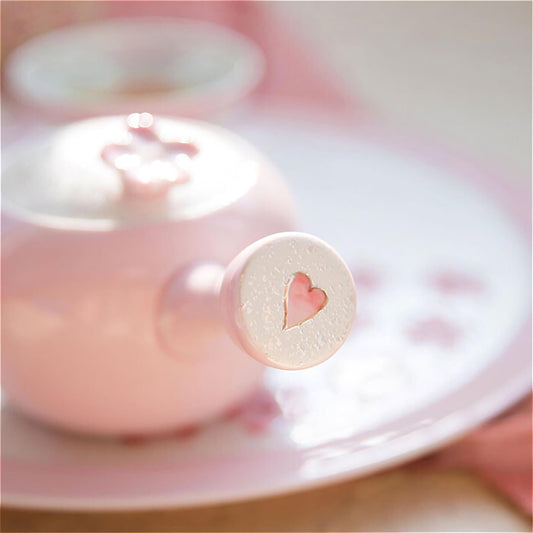
Cherry Blossom Handmade Teapot and Cup Set - Pink
Customer FavoriteCherry Blossom Handmade Teapot and Cup Set - Pink
Vendor:Arita WareRegular price From $110.00Regular price -

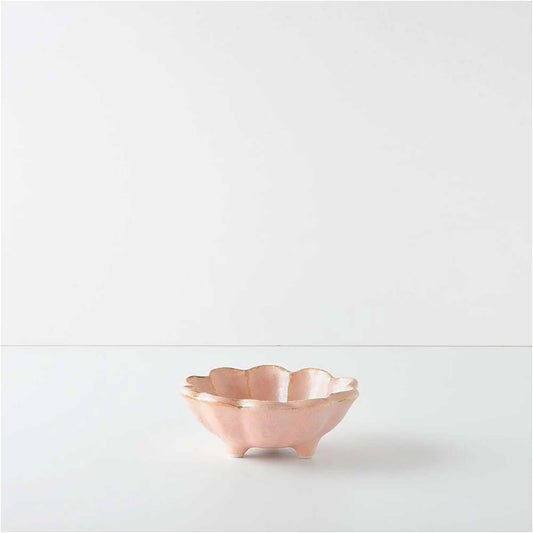
Kaneko Kohyo Rinka Handmade Bowl - Pink
Customer FavoriteBundle & save 15%Kaneko Kohyo Rinka Handmade Bowl - Pink
Vendor:Kaneko KohyoRegular price From $25.00Regular price -

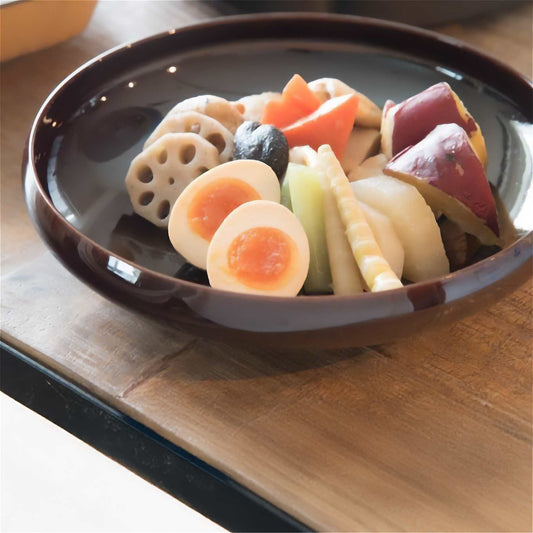
Tsudoi Iron Maroon Serving Bowl by Rina Ono
Customer FavoriteTsudoi Iron Maroon Serving Bowl by Rina Ono
Vendor:TsudoiRegular price $75.00Regular price -

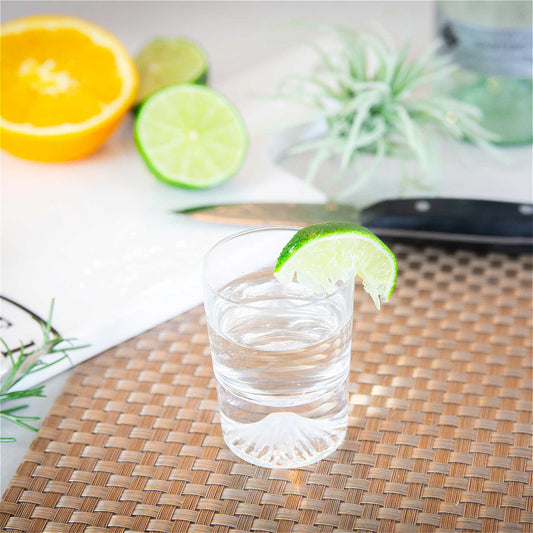
Mt. Fuji Double Shot Glass by Tajima Glass
Customer FavoriteMt. Fuji Double Shot Glass by Tajima Glass
Vendor:Tajima GlassRegular price $65.00Regular price -

 One of a Kind
Kohiki Handmade Shallow Bowl by Takashi Sogo - M/L [Limited Qty]
Customer FavoriteKohiki Handmade Shallow Bowl by Takashi Sogo - M/L [Limited Qty]
Vendor:Takashi SogoRegular price From $85.00Regular price -

 One of a Kind
Kohiki Handmade Plate by Takashi Sogo - S/L [Limited Qty]
Customer FavoriteKohiki Handmade Plate by Takashi Sogo - S/L [Limited Qty]
Vendor:Takashi SogoRegular price From $75.00Regular price


-

Fast & Free Shipping
US Domestic 1-3 day fast shipping available. Free shipping over $50.
-

14-Day Return
Shop confidently with our 14-day hassle-free returns.
-

Loyalty Program
Get a 10% discount on your first order and save 20% on your third purchase.


